Why Regular Elevator Service in Texas Isn’t Optional
This article explains why regular elevator service in Texas is more than routine maintenance. It outlines the compliance risks building owners face when elevators are not serviced or inspected by qualified professionals, clarifies what Texas law requires, and explains why proper training, certification, and inspection matter for safety, liability, and long-term reliability.
2/10/20263 min read
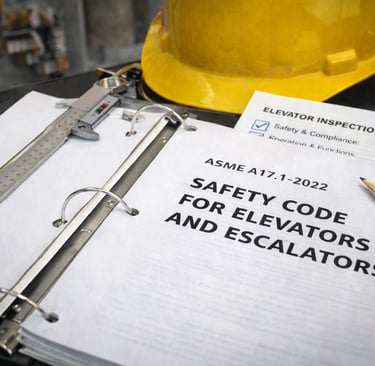
Why Regular Elevator Service in Texas Isn’t Optional
In Texas, elevator maintenance is not a suggestion or a courtesy. It is a legal responsibility. Commercial elevators are regulated because failure puts people at risk, and the State of Texas places accountability squarely on the building owner to ensure elevators are serviced, inspected, and operating safely.
Many property owners do not realize the level of compliance risk they assume when elevators are not maintained by qualified professionals. Regular service is not only about preventing breakdowns. It is about protecting passengers, avoiding regulatory penalties, and reducing long-term liability exposure.
Texas Compliance Risk and Owner Responsibility
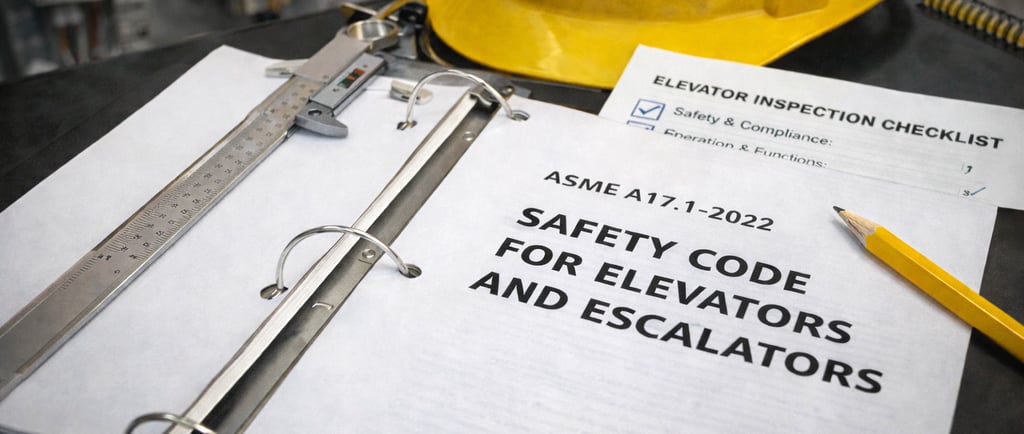
Under the Texas Health and Safety Code and regulations enforced by the Texas Department of Licensing and Regulation, every commercial elevator must be maintained in safe operating condition, inspected annually, and issued a current Certificate of Compliance.
If an elevator is serviced improperly, or if service is performed by unqualified personnel, inspections can fail and certificates can be denied or revoked. When that happens, elevators may be ordered out of service until deficiencies are corrected. The cost quickly escalates from maintenance to lost building access, tenant disruption, enforcement action, and potential fines.
In the event of an incident, maintenance and inspection records are among the first items reviewed by regulators, insurers, and attorneys. If records show that elevators were not serviced or inspected in accordance with Texas code, liability exposure increases significantly. In Texas, compliance responsibility always remains with the building owner.
What Qualified Service Actually Means
Qualified Elevator Mechanics
Elevators are complex systems that combine mechanical components, electrical controls, hydraulic systems, and multiple layers of safety devices. Texas law and industry standards recognize this complexity. Elevator maintenance and repair cannot safely or legally be performed by general maintenance personnel.
A qualified elevator mechanic typically completes a structured, multi-year apprenticeship program that includes extensive hands-on field training and formal classroom instruction. Most programs span approximately four years and require thousands of hours working under experienced mechanics. Training focuses on safety systems, electrical and mechanical operation, testing procedures, and applicable code requirements.
This level of training ensures mechanics understand not only how elevators run, but how safety systems function, how they are tested, and how improper adjustments can create hidden hazards. Elevator work performed by unqualified individuals may appear acceptable on the surface while disabling critical safety features without warning.
Qualified Elevator Inspectors
Annual elevator inspections in Texas must be performed by Qualified Elevator Inspectors registered with TDLR. These inspectors meet nationally recognized standards and are trained specifically to evaluate elevator safety, mechanical condition, and compliance with applicable codes.
Inspectors operate independently from maintenance providers, and inspections conducted by unregistered or unqualified individuals do not meet Texas requirements. It is the building owner’s responsibility to ensure the inspector performing the work is properly registered and authorized to inspect elevators in Texas.
Why Cutting Corners Always Leads to Higher Costs
Delaying service, skipping maintenance visits, or using non-specialized labor may seem cost-effective in the short term. In practice, it almost always results in greater expense and higher risk.
When elevators are not maintained by qualified professionals, small issues go undetected until they become major failures. Emergency repairs increase, inspections fail due to preventable deficiencies, and downtime becomes more frequent. At the same time, liability exposure grows as documentation gaps and compliance issues accumulate.
Routine service is not an unnecessary expense. It is risk management.
The Value of Scheduled, Qualified Maintenance
A compliant elevator maintenance program delivers clear benefits for building owners. Elevators experience fewer disruptions, equipment life is extended, and passenger safety is improved. Just as importantly, proper maintenance and inspection documentation provides protection during audits, inspections, and insurance or legal reviews.
Most importantly, qualified maintenance ensures elevators operate as designed and as required under Texas law.
Compliance Protects More Than Equipment
Elevator regulations exist to protect the public, but they also protect building owners. Regular service performed by qualified elevator mechanics, combined with proper inspection by registered Qualified Elevator Inspectors, is not simply about meeting requirements. It is about protecting people, property, and business operations.
In Texas, compliance is not optional. Doing it right matters.
Choosing the Right Elevator Service Partner
Texas regulations require elevator inspections to be performed without conflicts of interest. Under the Texas Health and Safety Code, a registered inspector may not inspect equipment if the inspector or the inspector’s employer has a financial or personal interest related to that inspection. For that reason, when RiseTech is providing maintenance or repair services, inspections must be completed by an independent Qualified Elevator Inspector. RiseTech can, however, provide inspection services for elevators that are maintained by other service providers.
RiseTech has a Qualified Elevator Inspector on staff, and that role serves as an important internal resource for our team. While trained elevator mechanics across the industry work with code requirements every day, having a dedicated inspector who is immersed in current Texas regulations, inspection standards, and documentation requirements strengthens our overall approach. That perspective supports how we plan work, address deficiencies, and help customers navigate compliance with confidence.
References
https://www.tdlr.texas.gov/elevator/elelaw.htm
https://www.tdlr.texas.gov/elevator/elefaq.htm
https://www.tdlr.texas.gov/media/pdf/ELE%20at%20a%20Glance.pdf
https://www.law.cornell.edu/regulations/texas/title-16/part-4/chapter-74
https://www.neiep.org/elevator-apprenticeship-recruitment-opportunities/
https://www.bls.gov/ooh/Construction-and-Extraction/Elevator-installers-and-repairers.htm
https://www.naesai.org/qei-certification
RiseTech Elevator is a locally owned, family-owned elevator contractor providing maintenance, repair, inspection, and modernization services for commercial properties in San Antonio, Boerne, and the surrounding Hill Country. We deliver reliable service, clear communication, and long-term performance.
Our Services
Elevator Maintenance | Elevator Repairs | Elevator Modernization | Annual & 5-Year Inspections
Service Areas
San Antonio | Boerne | New Braunfels | Kerrville | Fredericksburg | Hill Country
CONTACT